
Why do goalkeepers wear gloves?
If we journey back to the mid-1890s, we find compelling evidence that the trend began long before the era of multi-million dollar sponsorships. A famous image of Archie Pinnell shows the custodian leaning against his goalpost, clearly sporting a pair of sturdy gloves.
Technically, a goalkeeper could walk onto the pitch today with bare hands and not face a single disciplinary action from the referee. However, these accessories provide such immense benefits that they have become a silent, universal law within the community. While playing bare-handed might offer relief from the heat or a more natural touch, the modern game is simply too fast and too fierce to ignore the advantages of specialized gear.
At Nowgoalpro, we see that these gloves have transformed from simple winter wear into a goalkeeper’s most trusted companion, protecting the net and the player alike. So, why do goalkeepers wear gloves? Let’s find out.
Why do goalkeepers wear gloves?
IFAB Law 4 (The Players' Equipment) meticulously lists mandatory items: a shirt with sleeves, shorts, socks, footwear, and shinguards. It even dictates that if tape or any material is applied externally to the socks, it must be the same color as that part of the sock. For goalkeepers, the rules specify they must wear colors that distinguish them from the other players and the match officials.
Crucially, however, the word "gloves" is entirely absent from the list of mandatory equipment. There is no authority, not FIFA, nor the IFAB, that requires a keeper to cover their hands.
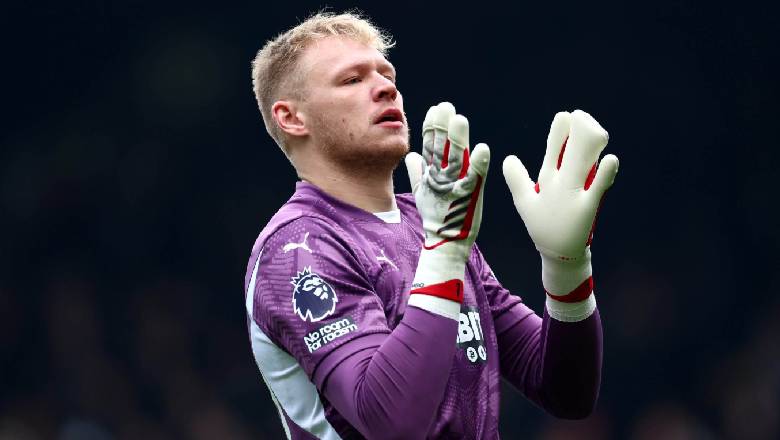
Nevertheless, the evolution of the goalkeeper glove from the 19th century to the 2020s reflects the escalating intensity of the sport. Modern gloves are engineering marvels, far removed from the wool or gardening gloves used in the early days. They are primarily constructed using Latex, a complex polymer similar to synthetic rubber.
The palm of a professional glove contains millions of microscopic pores. When a ball struck at high velocity impacts the hand, these pores expand, creating a "suction effect" that provides a level of friction impossible to achieve with human skin. This is particularly vital in wet conditions; without gloves, catching a rain-slicked ball would be as difficult as a child trying to grab a wet balloon.
The technical benefits extend beyond mere grip. A professional soccer ball can travel at speeds exceeding 80 miles per hour (128 km/h). The force generated by such a shot is enough to dislocate fingers or fracture the small bones of the hand.
Modern gloves incorporate layers of foam padding and "Finger-save" technology, hard plastic spines behind the fingers, designed to prevent hyperextension. While some argue that these spines can occasionally cause fractures by making the digits too immobile, many keepers rely on them to withstand the "ferocious" shots of elite strikers. Furthermore, in freezing climates, gloves are a physiological necessity, ensuring the keeper's hands remain warm enough to maintain the fine motor skills required for fingertip parries and quick distributions.
Different disciplines within the sport offer a fascinating contrast. In Futsal, many goalkeepers choose to play with bare hands or fingerless gloves. Because the Futsal ball is smaller and heavier, and the game emphasizes rolling and throwing distributions, keepers prioritize "feel" over shock absorption.
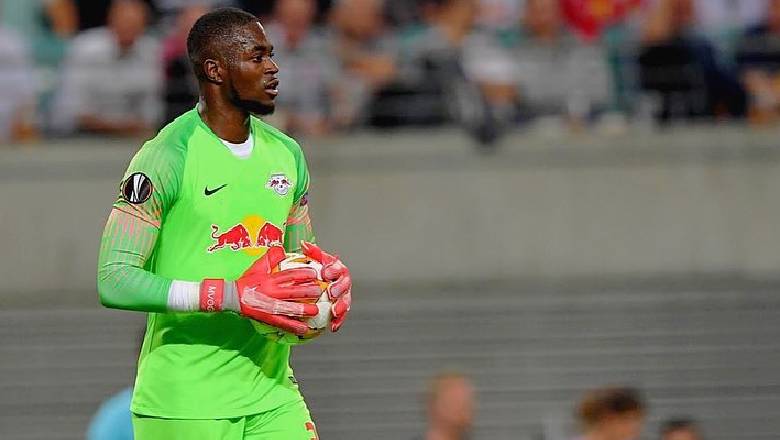
In contrast, the 11-a-side goalkeeper deals with crosses, high-velocity long shots, and the need to punch the ball away in crowded penalty areas. Over the decades, glove designs have split into various "cuts", such as the Negative Cut for a snug fit, the Roll Finger for maximum latex-to-ball contact, and the Hybrid Cut, each offering specific advantages based on a keeper's personal style and hand shape.
One of the most iconic instances occurred during the Euro 2004 quarter-final between Portugal and England. As the match went to a penalty shootout, the Portuguese goalkeeper Ricardo famously removed his gloves before facing Darius Vassell's strike. Ricardo later explained that it was a psychological ploy to boost his own confidence and "put off" the striker. He not only saved the penalty with his bare hands but then stepped up to score the winning goal himself.
Why goalkeepers wear gloves:
Injury prevention: Padding protects against the impact of balls traveling at 80+ mph and prevents finger dislocations.
Enhanced grip: Specialized Latex creates a suction effect and friction, especially in wet weather.
Psychological confidence: The "placebo effect" of feeling protected allows keepers to dive more bravely.
Thermal regulation: Keeping hands warm maintains the flexibility and reaction speed of the fingers.
Tactical advantage: Specialized "cuts" allow for better punching and distribution accuracy.
Ultimately, the goalkeeper's glove has become so synonymous with the role that we often forget it is an optional tool rather than a legal requirement. To the fans, these gloves are not just foam and rubber. They are the "treasures" that can preserve a clean sheet and decide the fate of a championship. We hope that through this exploration of "Why do goalkeepers wear gloves?" from Nowgoalpro.net, our readers have gained a fresh perspective on this often-overlooked aspect of football equipment.
Exploring the hidden stories of the pitch, from under-the-radar leagues to the technical secrets of the world’s best players, is a mission we at Nowgoalpro are deeply committed to for the future. If you find these insights fascinating, we invite you to journey with us. Nowgoalpro provides a modern, comprehensive sports platform featuring constantly updated schedules for the world’s top leagues, live match results, and in-depth post-match statistical analysis.
The Most Popular
-
 UEFA Champions League Final 2026 date, kick-off time, and venue
 -
 Why football is popular in Vietnam?
 -
 Which goalkeeper has conceded the most goals in football history?
 -
 Top 10 clubs with the highest average attendance in European football 2023/24: German fan loyalty shines through
 -
 What is Pedri's position at Barcelona?
 -
 All Messi’s jersey numbers: Four other numbers worn besides the famous No.10
 -
 When did penalties in football start?
 -
 Why did Xavi leave Barcelona as manager?
 -
 How much did Chelsea sell Lukaku for?
 -
 How much did Barcelona pay for Griezmann?