
Why do football teams change sides at halftime?
The whistle blows, players head to the tunnel, and 15 minutes later, they emerge to occupy the opposite end of the pitch. At first glance, this routine seems like a minor detail that shouldn't swing the final score of a professional match. However, the requirement for both squads to swap halves before commencing the final 45 minutes is a fundamental principle enshrined in the official Laws of the Game.
While many fans correctly guess that "fairness" is the primary driver, that simple explanation barely scratches the surface of why this remains a compulsory tradition in every corner of the globe. As we delve deeper into this Nowgoalpro analysis, you will discover that the reasons behind this switch involve a complex mix of meteorology, structural engineering, and even psychology.
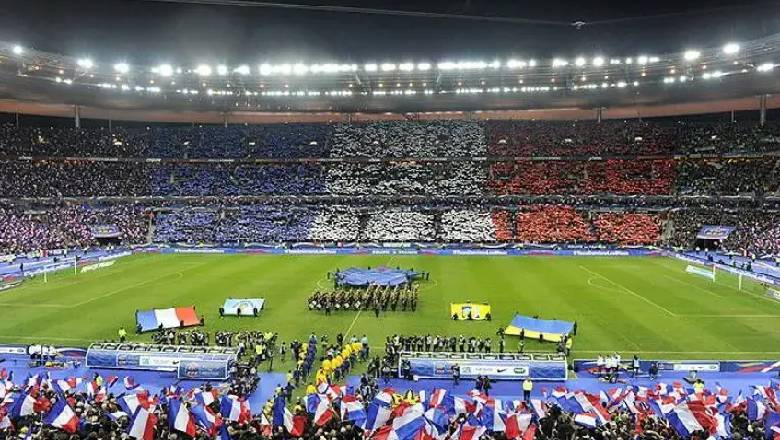
Understanding why do football teams change sides at halftime requires looking past the surface of the green grass and into the very mechanics of sporting equity.
Why do football teams change sides at halftime?
According to standard protocol, the choice of ends is determined by a coin toss, a practice that ensures a 50/50 chance for either side to claim their preferred starting position. This ceremony typically occurs in the center circle, moments after the exchange of pennants and the official photographs. The winner of the toss traditionally earns the right to choose which goal they will attack in the first half or whether they prefer to take the kickoff itself.
Statistical data from major leagues often shows that captains might choose a specific side based on the position of the sun or the direction of the wind at that exact hour. This initial decision sets the stage for the entire first 45-minute block, but the "Law of Reciprocity" dictates that this advantage must be inverted.
The mandate to switch ends is explicitly codified in Law 8 of the FIFA Laws of the Game, which governs the "Start and Restart of Play." This regulation has been a cornerstone of the sport since the late 19th century, specifically becoming more formalized as the International Football Association Board (IFAB) sought to standardize play across different continents.
The transition is coordinated by the head referee, who ensures that the second half begins only after both teams have fully swapped positions. Historically, the proposal to enforce a side-switch was championed by early British football associations to prevent teams from being "trapped" by localized geographical disadvantages. The rule was designed to be ironclad, first appearing in high-stakes environments like the FA Cup and later becoming the global standard for every FIFA-sanctioned tournament, from the World Cup to regional youth qualifiers.
Weather and solar conditions
In a sport played in open-air arenas, environmental factors such as wind speed and solar glare can turn a balanced game into a one-sided affair. A powerful gust of wind blowing toward 1 goal can effectively act as an "extra defender" for 1 team, making it nearly impossible for the opposition to execute accurate long balls or clear the ball from their own box.
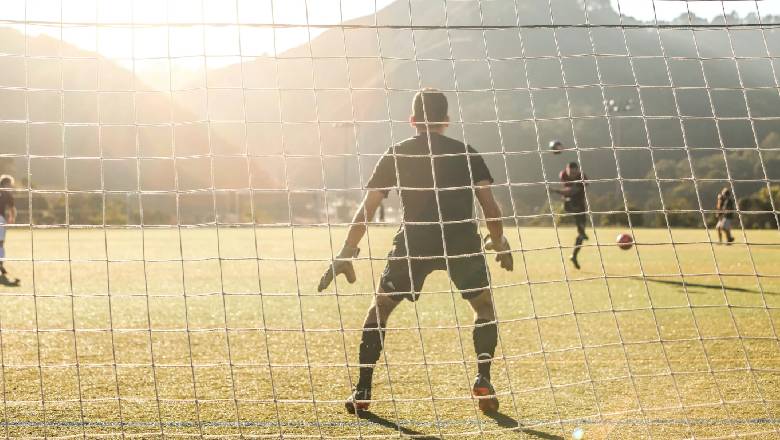
Similarly, the position of the sun can be a nightmare for goalkeepers. If the sun is hanging low on the horizon, a keeper facing it may struggle to track the flight of the ball during a high cross or a long-range strike. By switching sides, the governing bodies ensure that if 1 goalkeeper had to squint through the sunlight for the first half, their counterpart must face the same optical challenge in the second.
Pitch slopes and turf defects
Not all playing surfaces are perfectly flat or uniform. Many older stadiums or lower-league grounds possess natural slopes designed for water drainage, which can inadvertently create an uphill struggle for the team attacking the higher end. Additionally, the "muddy pitch" phenomenon remains a factor.
During heavy rain, the area around the six-yard box often becomes a swamp of churned-up turf. Since goalkeepers and defenders spend the most time in these zones, the ground there deteriorates much faster than the midfield. Swapping ends ensures that neither team is forced to defend a "deteriorated" goalmouth for the full 90 minutes, thereby neutralizing any physical defects the surface might have developed during the opening period.
Fan pressure and spectator viewpoints
Modern football stadiums are often designed with "home ends" where the most vocal supporters congregate behind a specific goal. This creates an atmosphere of intense pressure for an opposing goalkeeper who has thousands of rival fans shouting just yards behind his net.
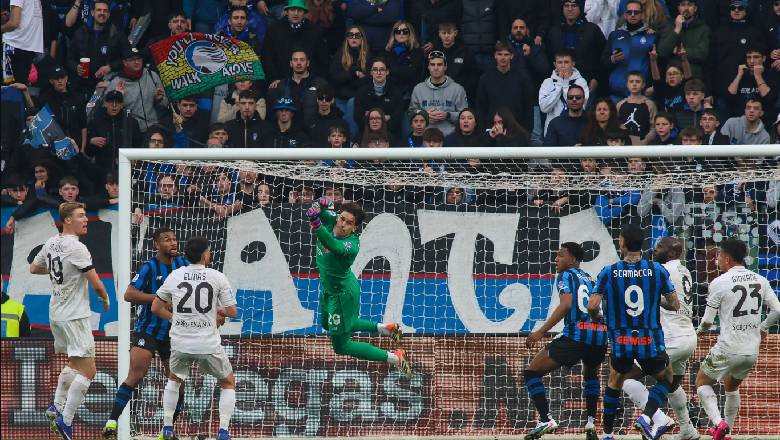
Consequently, the halftime switch allows for a rotation of this psychological burden. From a commercial and entertainment perspective, this also grants the spectators seated behind the goals an equal opportunity to see their favorite players attacking and scoring in close proximity.
It balances the "theatrical" experience of the match, ensuring that the fans at both ends of the stadium get a front-row seat to the offensive action of their home team for at least one half of the game.
The key points:
Meteorological equity
Surface neutralization
Tactical reset
Atmospheric fairness
Physiological recovery
We hope this article from Nowgoalpro.net has fully satisfied your curiosity regarding why do football teams change sides at halftime. Every detail, no matter how small, serves the greater purpose of ensuring that the "Beautiful Game" remains fair and competitive for everyone involved.
In the future, Nowgoalpro will continue to publish deep dives into the overlooked nuances of football to provide our readers with fresh perspectives on the world's most popular sport. Whether you are looking for obscure rules or a comprehensive platform for rapid, real-time statistics, news across every league on the planet, look no further.
For objective analysis and multi-dimensional insights before and after every whistle, there is no need to switch tabs, stay tuned and continue your journey with Nowgoalpro.
The Most Popular
-
 UEFA Champions League Final 2026 date, kick-off time, and venue
 -
 Why football is popular in Vietnam?
 -
 Which goalkeeper has conceded the most goals in football history?
 -
 Top 10 clubs with the highest average attendance in European football 2023/24: German fan loyalty shines through
 -
 What is Pedri's position at Barcelona?
 -
 All Messi’s jersey numbers: Four other numbers worn besides the famous No.10
 -
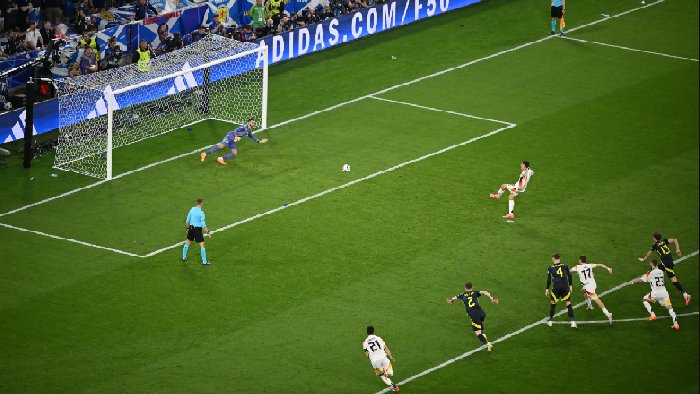 When did penalties in football start?
 -
 Why did Xavi leave Barcelona as manager?
 -
 How much did Chelsea sell Lukaku for?
 -
 How much did Barcelona pay for Griezmann?