
Who created Liverpool FC?
No shade of red in England carries more prestige or historical weight than that of Liverpool. As one of the oldest and most successful institutions in the country, the club boasts a tradition that few can rival and a global fanbase that spans every continent.
Established 134 years ago, it is unlikely that the club’s original owner could have envisioned his creation growing into a global icon that carries the flag of Liverpool to every corner of the earth. The history of this team is a tapestry woven with threads of heroism and pride, yet it also contains surprising twists that make every moment of the journey worth exploring.
As we delve into the chronicles of the "Merseyside Reds," we invite you to stay with Nowgoalpro as we answer the definitive question: Who created Liverpool FC?
Who created Liverpool FC?
The man responsible for the birth of the club was John Houlding, a wealthy businessman and the Mayor of Liverpool. In 1892, Houlding found himself at odds with the board of Everton FC, a club that then played its home matches at Anfield, a stadium Houlding owned.
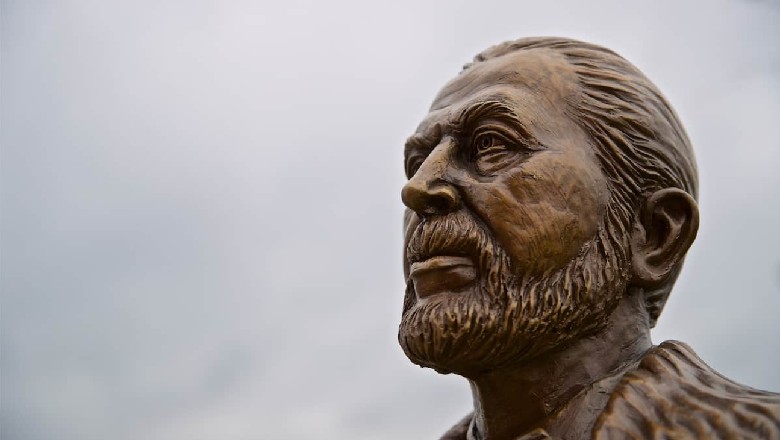
The disagreement centered on the rising rent prices Houlding charged and his desire to sell his own brewery products within the ground. When the Everton board refused to meet his terms, they vacated Anfield and moved across Stanley Park to Goodison Park. Left with an empty stadium but no team, Houlding took a bold step. On March 15, 1892, he officially founded a new entity.
Initially, he attempted to name it "Everton FC and Athletic Grounds Ltd," but the Football Association refused to recognize the name as the original Everton still existed. Consequently, in June 1892, the name was changed to Liverpool FC.
To build a squad from scratch, Houlding turned to John McKenna, a director who remained loyal to him. McKenna was given £500 to recruit talent, and he looked toward Scotland. He signed more than a dozen Scottish players, leading the team to be mockingly nicknamed the "Team of Macs" due to the prevalence of Scottish surnames.
This early squad was characterized by a rugged, disciplined style of play. They played their first match at Anfield, which served as both their headquarters and home turf. Under the guidance of their first "managerial" figures, McKenna and William Edward Barclay, the team entered the Lancashire League before quickly moving into the Football League Second Division.
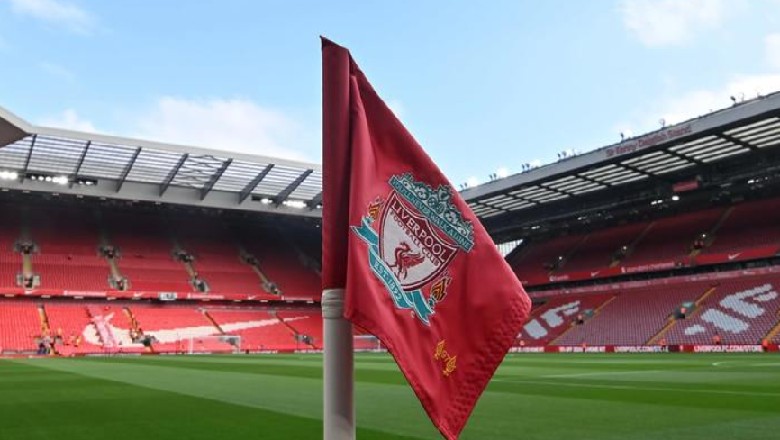
Visually, the early Liverpool was unrecognizable. They originally wore blue and white quartered shirts, almost identical to the rivals they had just split from. It wasn't until 1894 that the club adopted red shirts, paired with white shorts. The iconic "Liver Bird" logo, based on the symbol of the city, was eventually adopted to represent the club’s civic pride. The shift to a full red kit, including red shorts and socks, did not occur until 1964.
The legendary manager Bill Shankly believed an all-red uniform would make the players look like "giants" and intimidate the opposition, a psychological tactic that coincided with the club's rise to European dominance.
In the early 20th century, the club secured its first league titles in 1901 and 1906, establishing themselves as a force under managers like Tom Watson. However, the most transformative era arrived in 1959 with Shankly. He modernized the club's infrastructure, created the famous "Boot Room" philosophy, a collective of coaching minds, and instilled a "pass and move" style.
This era saw legends like Ian St John and Ron Yeats (who made 454 appearances) transform Liverpool into a powerhouse. Shankly’s successor, Bob Paisley, took this foundation to unprecedented heights. Between 1974 and 1983, Paisley became the most successful manager in the club's history, winning 3 European Cups and 6 League titles.
His tactical approach was more calculated, focusing on ball retention and European efficiency, led by the brilliance of Kenny Dalglish, who scored 172 goals and provided countless assists, becoming arguably the greatest player to ever wear the shirt.
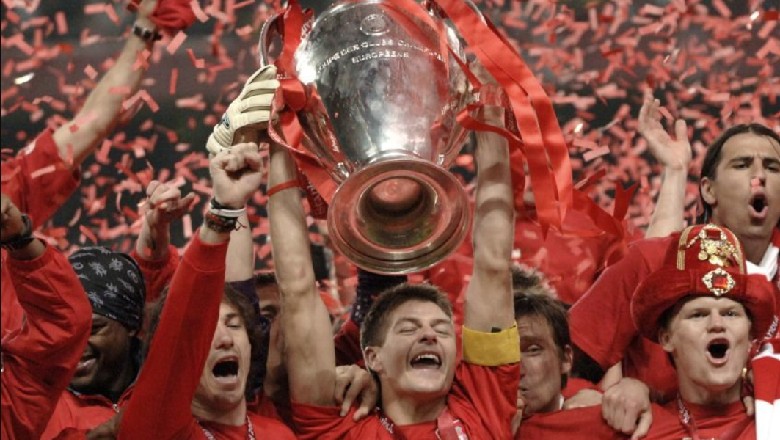
As the 1980s progressed into the Premier League era, Liverpool faced a period of transition. The 1990s and early 2000s were marked by "cup treble" success under Gerard Houllier and the "Miracle of Istanbul" in 2005 under Rafael Benitez. Benitez introduced a rigid, tactical Spanish influence, relying on the talismanic Steven Gerrard.
Gerrard, a local hero, made 710 appearances and scored 186 goals, often dragging the team to victory through sheer will. More recently, the arrival of Fenway Sports Group (FSG) as owners and Jürgen Klopp as manager in 2015 sparked a modern revolution. Klopp’s "Heavy Metal Football", a high-intensity pressing game, returned Liverpool to the pinnacle of world football, winning the Premier League in 2020 and the Champions League in 2019.
Under Klopp, Mohamed Salah emerged as a record-breaker, scoring over 200 goals and winning multiple Golden Boots. Today, the club operates with a data-driven recruitment model and a philosophy of "total football," maintaining Anfield as one of the most intimidating fortresses in sport.
Historical highlights of Liverpool FC:
1892: Founded by John Houlding after the split with Everton.
The "Team of Macs": The first squad composed almost entirely of Scottish players.
Anfield tradition: Captain McVean started the tradition of choosing the Anfield Road end after winning the coin toss.
The Red identity: Shifted from blue/white to red in 1894; full red kit adopted in 1964.
The boot room: A legendary coaching philosophy that produced decades of success.
European royalty: Winning 6 European Cups/Champions Leagues, the most of any English club.
This deep dive by Nowgoalpro.net has hopefully answered the question: Who created Liverpool FC? It remains a fascinating irony that the most successful club in England began as a near-mirror image of Everton, sharing their colors and their stadium, only to rise from those shadows to become the undisputed pride of Merseyside.
If you are looking for more insightful football knowledge and historical perspectives, Nowgoalpro is your ultimate destination. We go beyond the history books to provide you with the latest breaking news on players, clubs, and global tournaments. Our team of objective and highly skilled analysts is dedicated to bringing you fresh, compelling viewpoints before and after every major match, ensuring you never miss a beat in the beautiful game.
The Most Popular
-
 UEFA Champions League Final 2026 date, kick-off time, and venue
 -
 Why football is popular in Vietnam?
 -
 Which goalkeeper has conceded the most goals in football history?
 -
 Top 10 clubs with the highest average attendance in European football 2023/24: German fan loyalty shines through
 -
 What is Pedri's position at Barcelona?
 -
 All Messi’s jersey numbers: Four other numbers worn besides the famous No.10
 -
 When did penalties in football start?
 -
 Why did Xavi leave Barcelona as manager?
 -
 How much did Chelsea sell Lukaku for?
 -
 How much did Barcelona pay for Griezmann?